


4 key considerations for first-time Investors in industrial parks


In the context of Vietnam continuing to emerge as an attractive destination for FDI inflows, selecting the right industrial park plays a decisive role in a company’s operational efficiency and long-term cost structure.
According to various investment reports in Vietnam, more than 60% of FDI enterprises and SMEs prioritize industrial parks with transparent legal frameworks, well-developed infrastructure, and strong logistics connectivity from the outset.
For companies establishing manufacturing operations in Vietnam for the first time, a thorough evaluation of the following factors can help mitigate risks and optimize investment performance.
Location and Connectivity
The location of an industrial park not only determines market accessibility but also directly impacts transportation costs - one of the most significant cost components for manufacturing businesses.
Industrial parks situated near strategic transport corridors such as expressways, national highways or ring roads can significantly reduce transit time. For example, areas in proximity to Hai Phong Port or Noi Bai International Airport offer substantial advantages for import-export activities, particularly for companies in electronics, logistics and light manufacturing.
In practice, manufacturers located in industrial parks with direct access to seaports or airports can reduce logistics costs by approximately 10–20% compared to less connected locations.
Legal Transparency
Legal clarity is a critical factor that is often underestimated by new investors. Industrial parks with well-established legal status can significantly shorten project implementation timelines and minimize operational risks.
Key aspects to verify include:
- Approval of the industrial park’s master plan by competent authorities
- Alignment of the intended business activities with zoning regulations
- Land readiness including completed site clearance and availability for handover
Based on insights from investment advisory firms, the time required to complete legal procedures can vary from a few months to over a year, depending on the level of readiness of the industrial park. This directly affects the timeline for commencing operations.
Infrastructure Readiness
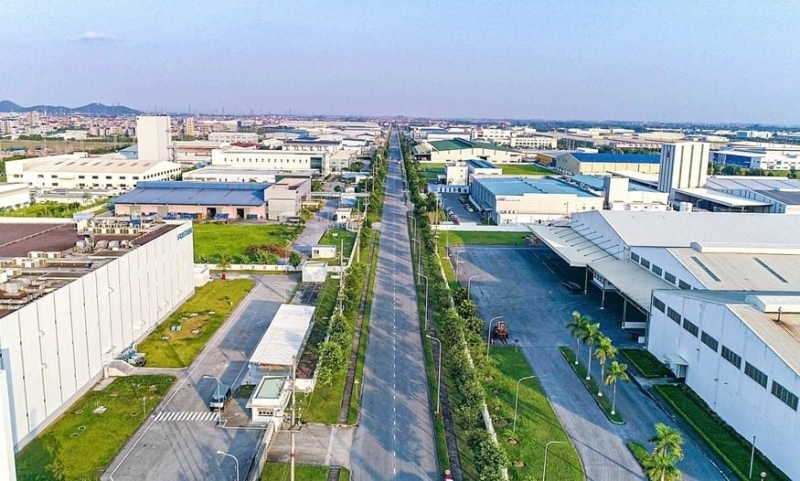
A high-quality industrial park must offer integrated infrastructure capable of supporting production activities immediately upon operation.
Key criteria include:
- Wide internal road systems (typically 20–50 meters) to accommodate container traffic
- Stable power supply, sourced from regional substations or dedicated systems within the park
- Water supply and wastewater treatment systems that meet environmental standards
Developer Support and Incentives
Beyond land lease costs, the level of support provided by the developer plays a crucial “accelerator” role in helping businesses become operational more quickly.
Many industrial park developers now offer support such as:
- Assistance with investment registration certificate procedures
- Coordination with local authorities
- Flexible pricing policies for land lease and infrastructure fees
In practice, companies that receive strong support from developers can shorten project implementation timelines by 20-30% compared to handling all procedures independently. This is particularly valuable for first-time investors entering a new market.
Selecting an industrial park is not merely a location decision—it is a strategic choice that impacts the entire lifecycle of an investment project. Businesses should approach this decision with a long-term perspective, grounded in data, thorough analysis, and collaboration with reputable partners.
Related articles

Do you need support?
Our team of experts is always ready to support and provide customers with optimal solutions! Contact us