


7 STRATEGIC ADVANTAGES OF READY-BUILT FACTORIES/WAREHOUSES


Beyond being a “fast-track” solution, ready-built facilities enable businesses to better control risks, optimize resources and enhance long-term operational efficiency.
In Northern Vietnam, this segment is experiencing strong growth momentum. Total supply of ready-built factories has reached over 3.6 million sqm across 91 operational projects, marking a 14% year-on-year increase. Occupancy rates remain high at approximately 87%, with demand concentrated in key industrial hubs such as Bac Ninh and Hai Phong. In parallel, the modern ready-built warehouse segment has also expanded significantly, reaching around 2.2 million sqm-1.7 times higher than the same period last year, indicating a clear market shift toward this asset class.
Against this backdrop, the advantages of ready-built factories/warehouses are becoming increasingly evident:
1. Faster Time to Operation
The most prominent advantage lies in significantly reducing deployment time. Instead of spending 9-18 months on legal procedures, design and construction, businesses can commence operations within weeks to a few months by choosing ready-built facilities. In highly competitive industries such as electronics, e-commerce, and FMCG, shortening the time to market provides a critical edge in capturing opportunities early.
2. Reduced Upfront Capital Expenditure
Developing a factory independently typically requires substantial capital investment, including:
- Land acquisition costs
- Construction costs
- Technical and supporting infrastructure
With ready-built factories/warehouses, businesses only need to pay periodic rental fees. This model is particularly suitable for newly established FDI enterprises or companies adopting a cautious expansion strategy, as it reduces financial burden and improves cash flow flexibility.
3. High Operational Flexibility
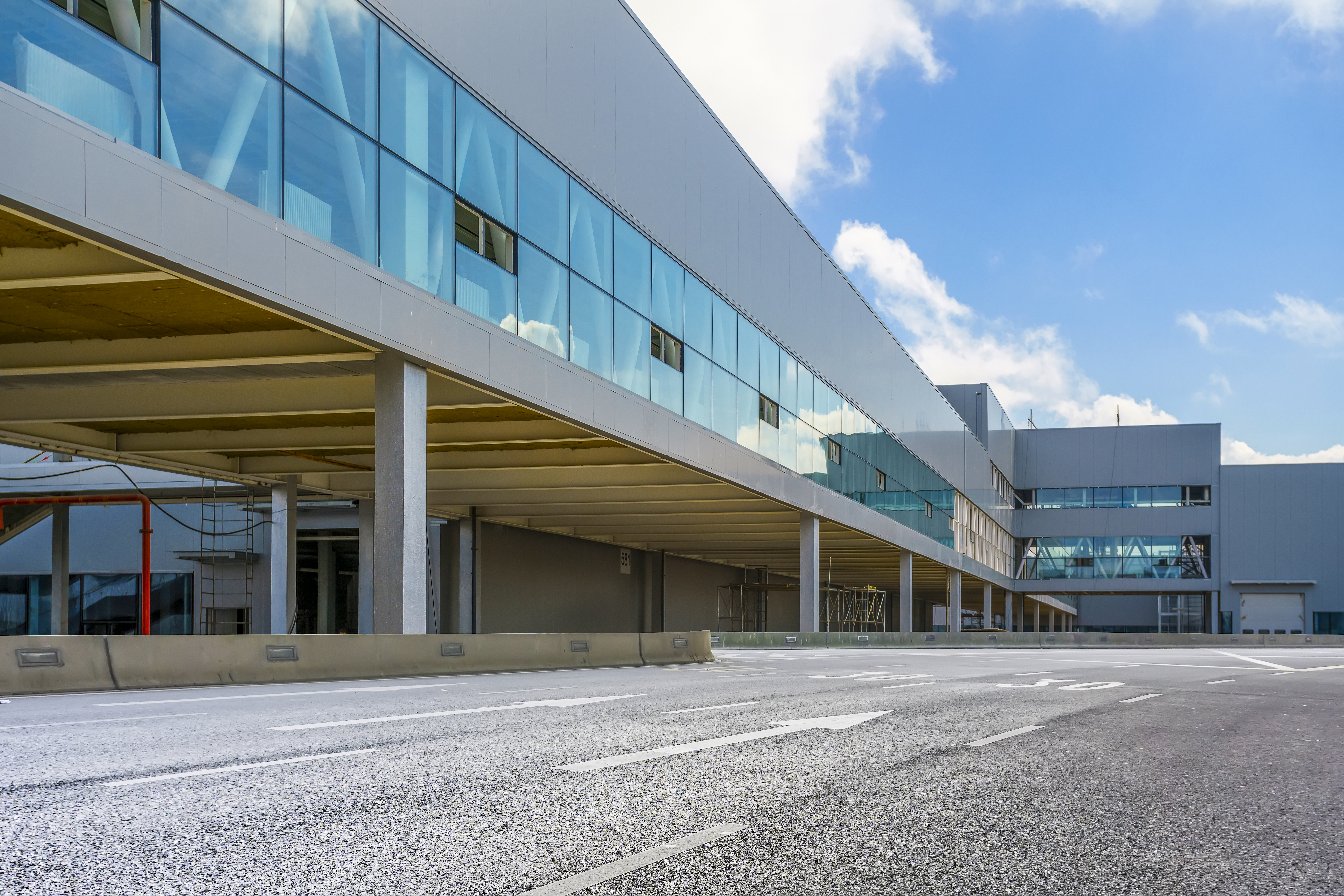
Ready-built facilities allow businesses to adjust their operational scale in response to market fluctuations, expanding quickly when demand increases or downsizing and restructuring when the market slows. This flexibility helps avoid excess capacity and minimizes the risk of capital being tied up in illiquid fixed assets.
4. Optimization of Hidden Costs and Operational Risks
Self-developed factory projects often face unforeseen costs such as design changes, construction delays and technical issues. In contrast, ready-built facilities are standardized in terms of infrastructure including power supply, water systems, fire protection (PCCC) and environmental treatment. This standardization enables businesses to minimize risks and maintain better control over operational costs from the outset.
5. Optimized for Logistics and E-commerce
Ready-built factories and warehouses are typically located in strategic areas with strong connectivity to highways, seaports and airports. In addition, warehouses are designed to meet international standards, including high clear heights, high floor load capacity, and efficient loading/unloading systems. These features are essential for optimizing storage, distribution and fulfillment operations, particularly in the rapidly growing e-commerce sector where speed and accuracy are critical.

6. Mitigation of Legal Risks
Legal risks in industrial real estate often arise from land-use planning, construction permits and environmental impact assessment procedures. These processes are complex, time-consuming and involve multiple uncertainties when handled independently by businesses. However, with ready-built facilities, most of these foundational legal procedures have already been completed and approved by the developer. Businesses only need to finalize lease agreements and obtain relevant production licenses to commence operations. This not only saves time but also significantly reduces potential legal risks.
7. Alignment with Sustainable Development Trends
Many modern ready-built factory and warehouse projects are developed with a focus on sustainability, incorporating energy-efficient systems and meeting ESG standards. This is a key advantage for companies engaged in export activities or participating in global supply chains, where environmental and sustainability requirements are increasingly stringent.
Related articles
Do you need support?
Western Pacific Group's team of experts is always ready to support and provide customers with optimal solutions! Contact us